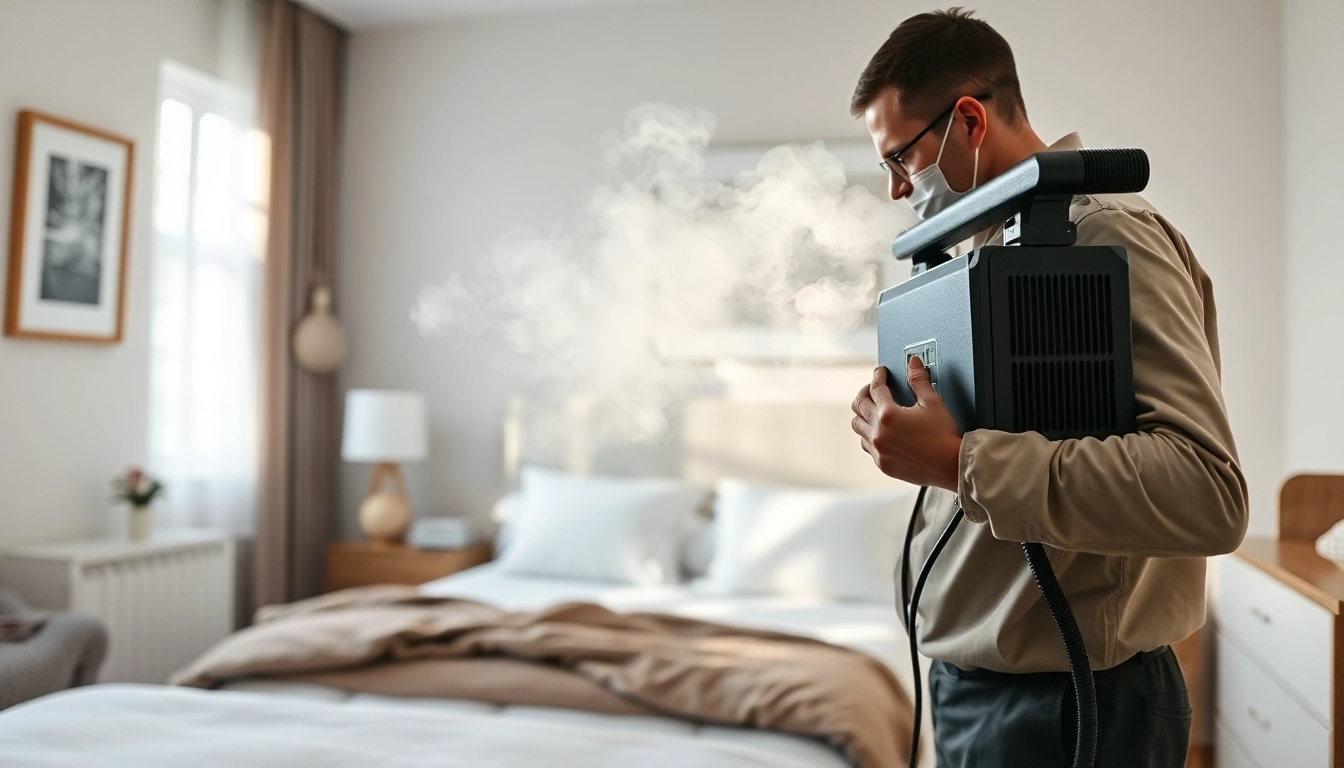
Understanding Bed Bug Heat Treatment
What is Bed Bug Heat Treatment?
Bed bug heat treatment is a non-chemical method used to exterminate bed bugs by raising the temperature of infested spaces to a lethal level. This process kills all life stages of bed bugs, including eggs, nymphs, and adults. Typically, temperatures between 120°F and 140°F (49°C to 60°C) are maintained for several hours to ensure complete eradication. The method is gaining popularity due to its efficiency and the growing resistance of bed bugs to conventional pesticides.
Why Choose Heat Treatment?
The increasing problem of bed bug infestations has led many to seek alternative and more effective solutions. bed bug heat treatment stands out as one of the most effective means of eliminating these pests. This approach is favored for several reasons:
- Speed: Heat treatments can often clear an infestation in just one session, typically lasting from 6 to 8 hours.
- Non-toxic: This method avoids the use of harsh chemicals, making it safer for homes with children and pets.
- Thoroughness: Heat penetrates all areas and items in a room, including furniture and clothing, killing bed bugs hidden in hard-to-reach places.
How Heat Treatment Works
The underlying principle of bed bug heat treatment is straightforward: by increasing the ambient temperature to a level that is lethal to bed bugs. While the temperature is often set between 135°F - 145°F (57°C - 63°C), it is vital that these conditions are maintained long enough to ensure all bed bugs are eliminated. The process usually involves professional-grade equipment that generates and distributes heat evenly throughout the treatment area.
The Process of Bed Bug Heat Treatment
Initial Inspection and Preparation
The first step in a successful heat treatment is a comprehensive inspection. Professionals will assess the severity and extent of the infestation. This phase involves identifying infested areas, any potential hiding spots, and determining the best approach for heat application. Preparation includes removing or protecting heat-sensitive items such as electronics, artwork, and certain fabrics. Items like linens and clothing may also be laundered prior to treatment.
Setting Up Equipment
Once preparations are made, the exterminator will set up specialized heating equipment designed for effective heat distribution. The equipment will usually include powerful electric heaters, fans for circulation, and temperature sensors to monitor conditions. Proper placement of the heaters is essential to ensure that all areas reach the required temperature for sufficient time.
Executing the Heat Treatment
With the equipment in place, the heat treatment can commence. Technicians will start the heaters and monitor the temperatures throughout the treatment environment to guarantee lethal conditions are maintained. This phase may last several hours, with continuous data gathering to adjust and optimize heat levels as necessary. Following this, a cooling down period is crucial to ensure residual heat pressure is maintained.
Benefits of Bed Bug Heat Treatment
Non-Toxic Approach
One of the most attractive benefits of heat treatment is its non-toxic nature. Unlike chemical treatments that leave behind residues and may necessitate re-entry protocols, heat treatment is purely physical, relying only on temperature manipulation. This makes it ideal for families with children, pets, or chemically sensitive individuals.
Effective at All Life Stages
Heat treatment has a distinct advantage over traditional pesticides; it effectively destroys bed bugs at all life stages. This includes newly-hatched nymphs and resilient eggs, which are notoriously difficult to eliminate using chemical means. Ensuring that infested materials reach lethal temperatures removes the risk of surviving reproductive cycles.
Quick Turnaround Time
Employing bed bug heat treatment often allows for a swift resolution to infestations. A treatment session can last a single day, with environments often habitable within hours post-treatment. This is a significant improvement compared to multiple chemical applications that can necessitate longer waiting periods for safety.
Common Concerns and Misconceptions
Is Heat Treatment Safe?
Yes, bed bug heat treatment is generally safe. Trained professionals set up the equipment carefully to minimize risks. However, homeowners should prepare adequately and follow pre-treatment guidance to protect valuable or heat-sensitive items from damage.
Does Heat Treatment Damage Belongings?
In most cases, properly executed heat treatment does not damage belongings. However, heat-sensitive items such as certain electronics or delicate fabrics may be at risk if not adequately protected. It is crucial to inform the exterminator about any high-risk items before treatment begins.
Can Heat Treatment Fail?
While heat treatment is highly effective, there are circumstances that can lead to failure, such as improper equipment setup or insufficient temperature monitoring. It is vital to rely on experienced professionals who adhere strictly to temperature and time guidelines for maximum efficacy.
Post-Treatment Care and Prevention
What to Do After Treatment
Post-treatment care is essential for sustaining a pest-free environment. Homeowners should wait for confirmation that it is safe to return, typically provided by the exterminator. As a preventive measure, beds and furniture should be regularly vacuumed, and any signs of return must be noted immediately.
Monitoring for Reinfestation
After receiving treatment, it's critical to monitor the area for any signs of reinfestation. Regular inspections, use of monitoring traps, and maintain a clean environment can assist in catching any potential new intrusions early.
Preventive Measures
Proactive measures include implementing bed bug-proof mattress and box spring encasements, regular inspections of second-hand items, and being vigilant during travel. Keeping clutter to a minimum reduces potential hiding spots, thus lowering the risk of an infestation.
Frequently Asked Questions
1. How long does bed bug heat treatment take?
Generally, a heat treatment session lasts between 6 to 8 hours, including setup, execution, and cooling time.
2. Will I need to leave my home during treatment?
Yes, it is essential to leave the premises during treatment for safety and effectiveness. Typically, you can return after a few hours, as instructed by the exterminator.
3. Are there any odors associated with heat treatment?
Heat treatment itself does not produce harmful odors; however, materials in your home may release mild smells when heated, generally dissipating quickly after treatment.
4. How do I maintain a bed bug-free environment after treatment?
Regular cleaning, using protective encasements, and promptly addressing any suspected signs of bed bugs will help in maintaining a pest-free home.
5. Can I perform heat treatment myself?
While it's possible to use portable heaters, professional treatments guarantee appropriate temperature control and thorough execution for an effective outcome.