Understanding the Concept of "Go Right Here" in Workspaces
As organizations adapt to evolving work environments, the phrase "go right here" has emerged as a significant concept in optimizing productivity and collaboration in modern workspaces. This notion encapsulates the physical and digital strategies that facilitate seamless transitions between tasks, spaces, and teams. Keeping this in mind, companies are increasingly recognizing that the design and functionality of work environments play a crucial role in enhancing efficiency and employee engagement. When exploring options, go right here offers comprehensive insights on how spatial arrangements and technology can impact workplace dynamics.
Defining "Go Right Here" in the Context of Productivity
The phrase "go right here" signifies more than just a location; it embodies the idea of having immediate access to resources, tools, and colleagues that foster productivity. In traditional settings, this may refer to the strategic placement of desks, meeting rooms, or shared facilities aimed at enhancing spontaneous interactions. However, in a hybrid work context, "go right here" expands to include digital platforms that connect remote and in-office employees, ensuring that collaboration can flourish regardless of physical distance.
For instance, integrating collaborative tools like project management software allows teams to manage tasks effectively from various locations while maintaining transparency in workflow. This is crucial in the current scenario where employees may be divided between home offices and on-site locations. To maximize the benefits of the "go right here" initiative, organizations need to invest in both physical workspace optimization and the adoption of effective digital solutions.
Historical Background and Evolution of Workspace Trends
The evolution of workspaces has seen a significant transformation over recent decades. The shift from rigid cubicle environments to more open and flexible arrangements is a testament to changing work philosophies. The rise of coworking spaces and remote working trends, propelled by technology, has introduced new dynamics in how and where we work. "Go right here" reflects this transitional journey, representing a blend of modern needs and innovative solutions.
Historically, workplaces were designed for efficiency, often prioritizing output over employee well-being. However, as research began to highlight the importance of mental health, creativity, and collaboration, workspace designs evolved into more people-centric models. This includes the incorporation of break areas, collaborative zones, and technology-enhanced environments where information flows freely, enabling employees to "go right here" mentally and physically.
Importance of Location in Modern Work Cultures
In the context of modern work cultures, location is paramount. Employees today favor environments conducive to creativity and collaboration, which is where the concept of "go right here" thrives. An effective workspace must cater to various work styles—flexible spaces for quiet work, collaborative zones for brainstorming, and communal areas to foster social interaction.
Furthermore, the increase in remote work has placed even greater emphasis on location. Teams need to be intentional about how and where they connect. The notion of “go right here” extends to ensuring that employees have immediate access to essential resources no matter their physical location. Organizations must therefore invest in technological infrastructures that support these dynamic interactions, allowing employees to transition smoothly between different modes of work.
Challenges Faced by Professionals in a Hybrid Work Environment
The rise of hybrid work environments has introduced a new set of challenges for professionals navigating between remote and in-office work. Understanding these challenges is essential for organizations aiming to implement effective "go right here" strategies. Common misconceptions persist, particularly regarding the flexibility of remote work and its impact on productivity and collaboration.
Common Misconceptions About Remote Work Flexibility
One prevailing misconception is that remote work inherently offers greater flexibility without drawbacks. While employees can often set their schedules, the lack of structured interaction can lead to isolation and disconnectedness. Thus, organizations must actively foster inclusivity and ensure that remote employees still feel integrated within the broader team dynamic. Initiatives such as regular virtual check-ins and team-building activities can help bridge this gap.
Identifying Pain Points in Workspace Effectiveness
Another challenge is identifying pain points within the current workspace setup. Many professionals may experience difficulties with communication, collaboration, and the availability of tools and resources when switching between home and office environments. Addressing these pain points requires a keen understanding of user experience and feedback, as well as a commitment to continually reassessing and adapting workspace strategies.
Strategies to Overcome Work-Life Balance Issues
To create a successful hybrid work model, organizations must prioritize work-life balance. This can be done by promoting policies that encourage regular breaks, establishing firm boundaries around work hours, and providing resources for mental health support. Additionally, organizations can implement flexible work schedules that allow employees to manage personal responsibilities alongside their professional commitments. By addressing these work-life balance issues, businesses can foster a healthier and more productive workforce.
Best Practices for Designing Optimal Workspaces
The design of an effective workspace is integral to supporting the "go right here" philosophy. Creating an environment that prioritizes both comfort and functionality can significantly enhance employee engagement and productivity. Below are some best practices to consider.
Creating a Productive Home Office Environment
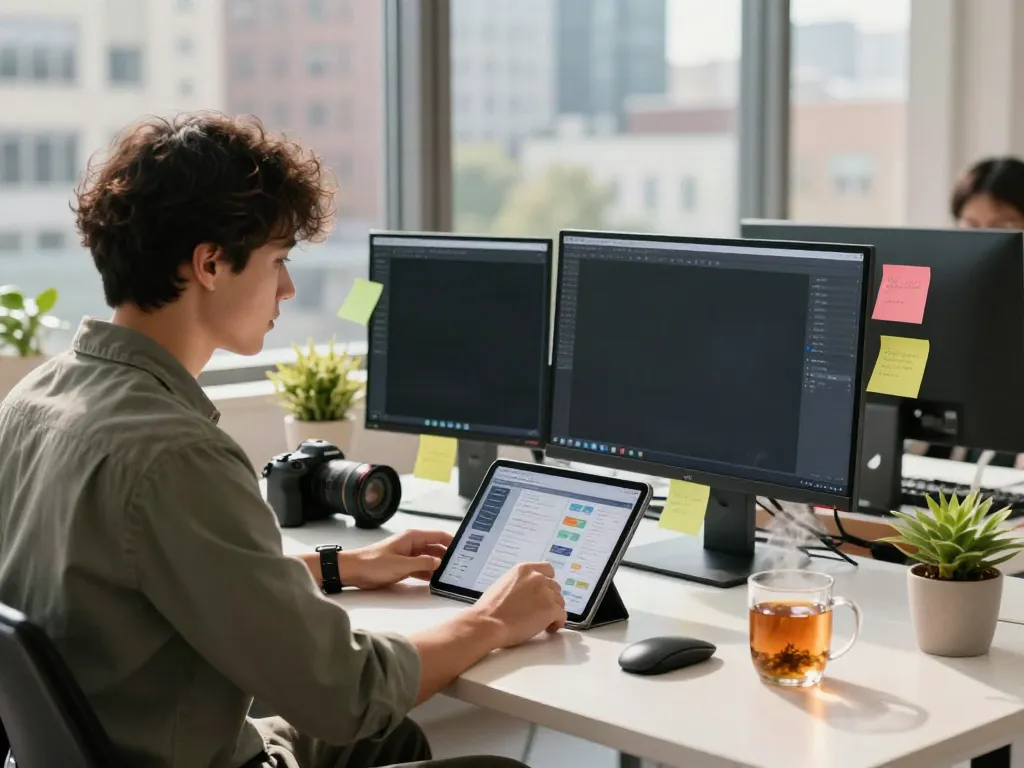
A well-designed home office is critical for remote employees. It should be ergonomically sound and equipped with the necessary technology. Key elements of a successful home office include:
- Ergonomic furniture that promotes comfort and reduces physical strain
- High-speed internet connectivity to facilitate seamless communication
- Minimal distractions to enhance focus and productivity
- Incorporation of natural light to boost mood and energy levels
Employers can support their employees' home office setups by providing stipends or resources to help them create productive environments.
Incorporating Technology to Enhance Workflow
Technology plays a pivotal role in enabling effective "go right here" strategies. Modern tools streamline communication and enhance collaborative efforts. Organizations should consider:
- Implementing cloud-based project management software for real-time collaboration
- Utilizing video conferencing tools to foster face-to-face interactions
- Investing in cybersecurity measures to protect sensitive information in hybrid settings
By utilizing technology effectively, organizations can help employees navigate their roles more seamlessly, regardless of whether they are working remotely or in the office.
Utilizing Space for Collaboration Among Teams
Collaboration is one of the most vital aspects of productivity. Thus, workspaces should be designed to facilitate seamless teamwork. This can involve:
- Creating open areas for team discussions and brainstorming sessions
- Establishing designated meeting rooms equipped with the latest technology for hybrid meetings
- Encouraging informal gathering spaces where employees can connect and share ideas
When employees can easily collaborate, it enhances innovation and strengthens team cohesion, which is essential for achieving organizational objectives.
Case Studies: Successful Implementations of "Go Right Here"
Real-world examples often provide valuable insights into the successful implementation of "go right here" strategies in diverse organizations. By analyzing these case studies, businesses can glean actionable insights that can be adapted to their specific contexts.
Real-World Examples of Workspace Innovations
Companies like Google and Facebook have redefined workplace design by creating environments that support flexibility, creativity, and collaboration. Google, for example, uses open office layouts paired with quiet pods to cater to various work styles, enabling employees to choose the best setting for their tasks. Similarly, Facebook designs its campus to include outdoor spaces and communal areas that encourage informal interactions among employees.
Metrics to Measure Success in Workspace Design
To determine the effectiveness of workspace designs, organizations must establish metrics that assess productivity, employee satisfaction, and engagement. These metrics could include:
- Employee retention rates
- Surveys measuring employee satisfaction and engagement levels
- Performance metrics related to project completion and deadlines
Regularly evaluating these metrics can inform necessary adjustments to workspace strategies, ensuring that they continue to meet employee needs.
Tips from Industry Leaders on Workspace Adaptability
Industry leaders emphasize the importance of adaptability in workspace design. According to experts, creating a culture of feedback and continuous improvement is crucial to staying relevant. Here are some tips:
- Encourage open dialogue about workspace preferences and pain points among employees
- Stay informed about emerging workplace trends and technologies to remain competitive
- Be willing to experiment with different layouts and technologies based on employee feedback
By incorporating these strategies, organizations can promote a culture rooted in adaptability and responsiveness to evolving needs.
Future Trends: What to Expect in Workspaces by 2026
As we look to the future of workspaces, several emerging trends are poised to shape the environments where we will conduct business by 2026. Understanding these trends can provide organizations with an edge in developing forward-thinking workplace strategies.
Emerging Technologies Shaping the Future of Work
Advancements in technology are at the forefront of workspace evolution. Innovations such as artificial intelligence, augmented reality, and smart buildings are set to revolutionize how we experience workspaces. For example, AI tools can assist with scheduling and task allocation, while augmented reality can enhance training and collaborative sessions, especially for remote teams.
Predictions for Workspace Evolution and Employee Engagement
Future workspaces are likely to prioritize employee engagement through the design of environments that foster collaboration, creativity, and well-being. This could mean an increasing shift toward biophilic designs that incorporate natural elements, creating a calming atmosphere conducive to productivity. Furthermore, the emphasis on employee feedback will drive more personalized workspace strategies that accommodate diverse needs.
How "Go Right Here" Will Transform Professional Environments
The "go right here" concept will continue to gain traction as organizations strive to create responsive and efficient work environments. By prioritizing seamless transitions between spaces and employing technology that enhances remote work capabilities, businesses can ensure that their employees remain connected and productive, no matter where they are located.
What are the benefits of implementing "go right here" strategies?
Implementing "go right here" strategies benefits organizations by enhancing productivity, improving collaboration, and increasing employee satisfaction. By creating an environment where employees feel connected and have immediate access to the resources they need, organizations can foster a more engaged and effective workforce.
How does location affect productivity in creative workspaces?
Location significantly influences productivity in creative workspaces. Well-positioned areas that provide accessibility to essential resources, collaborative spaces, and natural light can enhance focus and stimulate creativity. An environment conducive to work encourages individuals to perform at their best and produce higher quality outputs.
What tools can enhance the "go right here" experience?
Tools that enhance the "go right here" experience often include project management software, virtual collaboration platforms, and real-time communication tools. These solutions ensure that employees can easily access information, collaborate effectively, and remain connected, regardless of their physical location.
What are the environmental considerations for modern workspaces?
Environmental considerations are increasingly important in modern workspace design. Companies should strive to minimize their ecological footprint by prioritizing sustainability. This can involve utilizing energy-efficient systems, incorporating recycled materials in workspace design, and ensuring optimal resource use to create a greener workplace.
How can companies measure the success of workspace designs?
To measure the success of workspace designs, organizations should establish and track relevant metrics. These can include employee satisfaction surveys, productivity indicators, and engagement levels. Regularly gathering feedback and analyzing these metrics will help organizations adapt their workspace strategies effectively to meet changing needs.