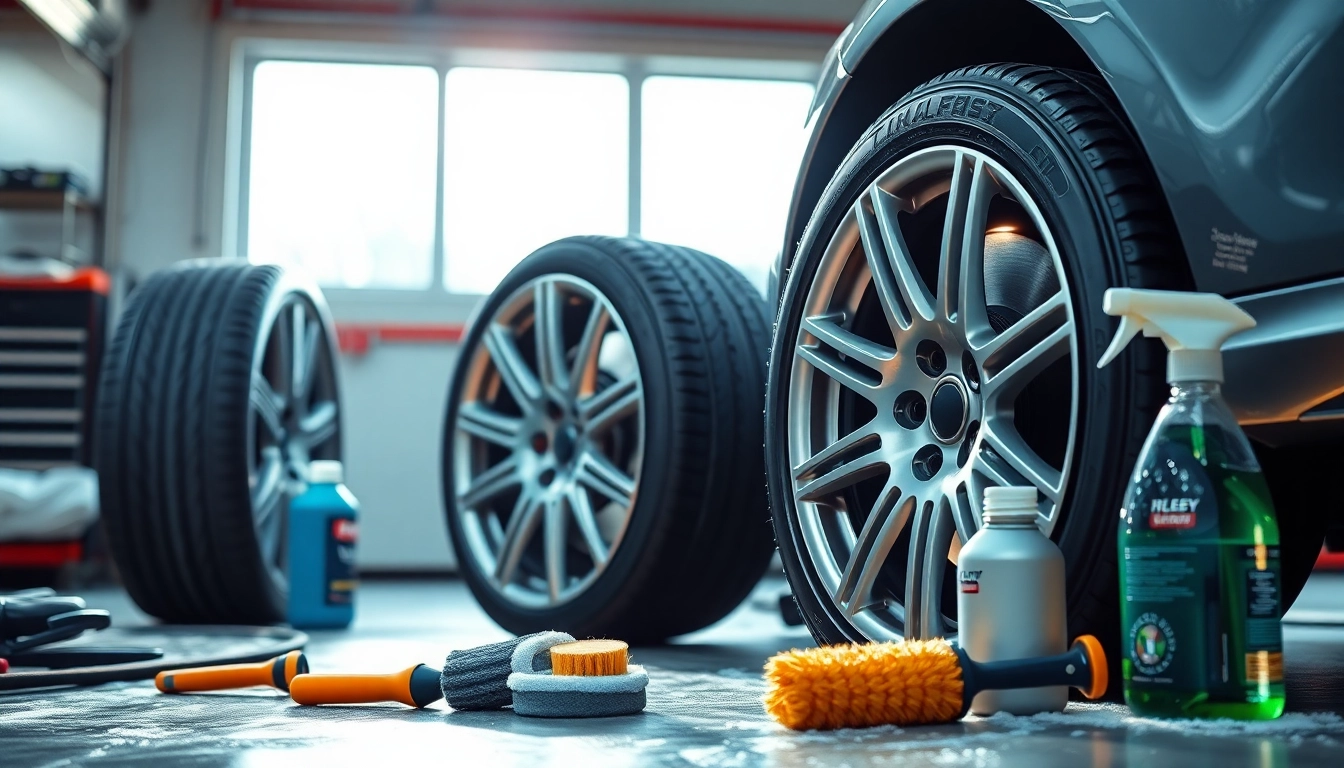
Introduction to Wheel and Tire Cleaning
Importance of Clean Wheels and Tires
Clean wheels and tires are not just about aesthetics; they play a crucial role in vehicle safety and performance. Dust, grime, and brake dust can accumulate on wheel surfaces, which can affect braking efficiency and tire longevity. Regular cleaning not only enhances the appearance of your vehicle but also helps maintain optimal performance and prolongs the lifespan of your tires.
Common Challenges Faced
Cleaning car wheels and tires can sometimes prove to be a challenging task. One of the most significant difficulties is dealing with tough brake dust and road grime that can adhere to the wheels. Additionally, many cleaners can harm wheel finishes if used improperly. Understanding these challenges is crucial to successfully overcoming them during your cleaning routine.
Overview of Cleaning Products
The market is flooded with various cleaning products designed for wheels and tires. It is essential to distinguish between these products and choose the right ones based on your specific needs. From heavy-duty cleaners for tough stains to gentle options for delicate finishes, there’s a suitable product for every situation. When looking for the best way to clean car wheels and tires, the right product selection is critical.
Preparation Steps for Effective Cleaning
Gathering Required Supplies
Before embarking on your wheel and tire cleaning journey, it's vital to gather all the necessary supplies. Common items needed include:
- Wheel cleaner (specific to your wheel type)
- Tire brush (stiff bristles)
- Microfiber cloths
- Hose or pressure washer
- Bucket for rinsing
Having these tools on hand will ensure a seamless cleaning process.
Safety Tips During Cleaning
When cleaning wheels and tires, take precautions to protect both yourself and the vehicle. Always wear gloves and eyewear to safeguard against splashes of cleaning products. Ensure that you're working in a well-ventilated area if using aerosol products. Moreover, avoid cleaning hot wheels, as heat can make cleaning products less effective and potentially damage the wheel finish.
Ideal Weather Conditions to Clean
The best time to clean your wheels and tires is during mild weather. Avoid cleaning in direct sunlight as this can cause the products to dry too quickly, leaving spots and residue. Overcast days are ideal as the cooler temperatures enhance the effectiveness of the cleaning products.
Best Way to Clean Car Wheels and Tires
Step-by-Step Cleaning Process
To achieve a thorough cleaning, follow these step-by-step instructions:
- Rinse: Begin by rinsing the wheels and tires with water to remove loose dirt and debris.
- Apply Cleaner: Spray the wheel cleaner evenly over the wheels and tires, ensuring full coverage. Allow it to sit for several minutes as per the product instructions.
- Scrub: Using a stiff tire brush, scrub the tires both inside and out. For wheels, use a more delicate brush or sponge to avoid scratches.
- Rinse Thoroughly: Rinse off all cleaning agents with clear water, ensuring no residue remains.
- Dry: Wipe down with microfiber cloths to prevent water spots.
Deep Cleaning Techniques
If your wheels have not been cleaned for an extended period, consider deep cleaning techniques. This involves:
- Using an iron remover to break down bonded contaminants.
- Applying a heavier-duty degreaser for accumulated grime.
- Using a clay bar to remove embedded contaminants from the wheel surface.
Deep cleaning may take additional time but is necessary for restoring neglected wheels.
Quick Cleaning Hacks
If you're short on time, try these quick cleaning hacks:
- Use household vinegar or baking soda mixtures for a quick clean.
- Keep a dedicated tire cleaning brush for fast touch-ups.
- Consider using spray-on tire shine that cleans while it shines.
Maintaining Clean Wheels and Tires
Regular Maintenance Routines
Establish a regular maintenance routine to keep your wheels and tires clean longer. Aim to clean them every month or after long trips that expose them to harsh conditions. This routine will prevent permanent damage and make each cleaning session easier.
Choosing the Right Products
Always opt for products suited to your specific wheel type, whether alloy, chrome, or painted. Check for pH-balanced formulas that won’t harm your wheels and maintain their finish. Don't settle for generic cleaners that might be too aggressive or ineffective.
How to Prevent Brake Dust Accumulation
To minimize brake dust accumulation:
- Choose high-performance brake pads that generate less dust.
- Apply a ceramic coating to the wheels, which can help repel dust and grime.
- Ensure regular cleaning to avoid buildup, making it easier to manage.
Frequently Asked Questions
What tools do I need for cleaning?
You will need a wheel cleaner, tire brushes, microfiber cloths, water hose or pressure washer, and a bucket for rinsing.
How often should I clean my wheels?
It’s advisable to clean your wheels at least once a month or more often if exposed to harsh conditions.
Can I use household products?
Yes, many household products like vinegar and baking soda can effectively clean wheels and tires if used correctly.
What are the best cleaning chemicals?
Look for pH-balanced wheel cleaners designed for your wheel type to avoid damaging finishes.
Is there a specific wheel cleaner I should use?
Choose a wheel cleaner that fits your wheel type (alloy, chrome, etc.) and is safe for painted surfaces.