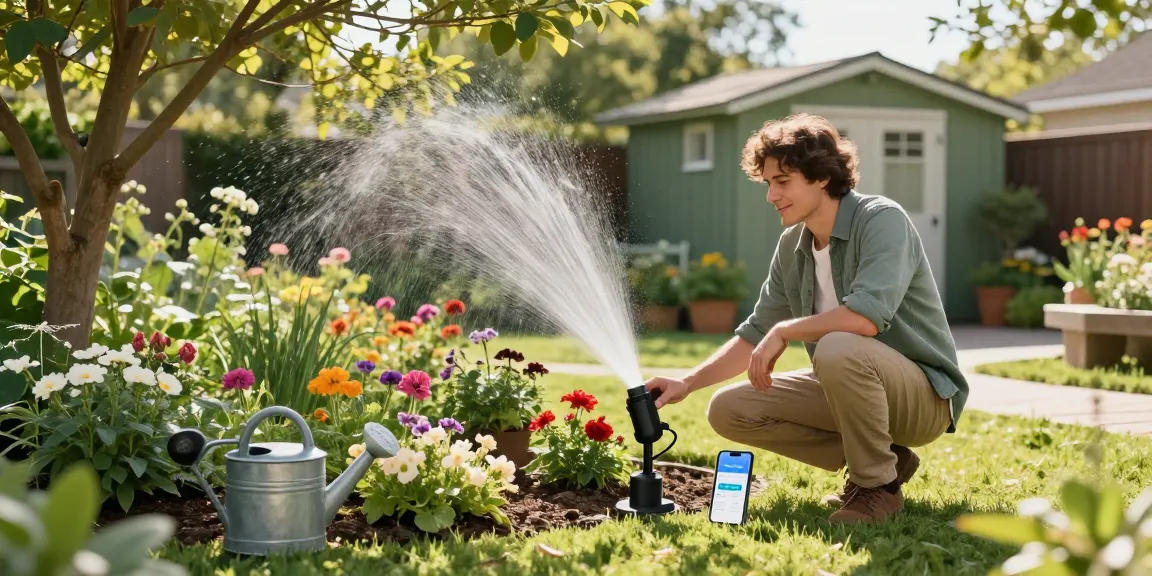
Understanding Smart Sprinklers
As the climate evolves and water resources become increasingly precious, the need for efficient irrigation systems is more critical than ever. Smart sprinklers are revolutionizing the way we manage our gardens and lawns, making it easier than ever to provide adequate moisture without overspending on water. These devices not only automate watering but also come equipped with technology that optimizes water usage based on real-time weather conditions, soil moisture levels, and plant needs. When exploring options, smart sprinkler systems like those offered by RainPoint can vastly improve your gardening experience while saving you money.
What is a Smart Sprinkler?
A smart sprinkler is an advanced irrigation system that integrates technology to automate and optimize the watering process. Unlike traditional manual systems, smart sprinklers utilize sensors, weather data, and even smartphone apps to deliver water precisely when and where it's needed. This results in not only healthier plants but also significant water savings, as these systems adjust watering schedules based on environmental factors. Smart sprinklers can manage entire irrigation zones, and some models can even be controlled remotely, allowing for unparalleled convenience.
Benefits of Using Smart Sprinklers
- Water Conservation: Smart sprinklers can reduce water waste by automatically adjusting schedules based on rainfall and soil moisture levels.
- Healthier Plants: By delivering the right amount of water at the right time, smart sprinklers promote optimal growth conditions for your plants.
- Remote Control: Many smart sprinkler systems can be controlled via smartphone apps, allowing you to monitor and adjust settings from anywhere.
- Cost Savings: With less water consumption and healthier plants, you can expect to see a reduction in your water bills.
How Smart Sprinklers Work
At the heart of smart sprinklers is a network of sensors and connectivity options that gather data about your garden's needs. These systems often include:
- Soil Moisture Sensors: These sensors measure moisture levels in the soil, ensuring that plants receive water only when necessary.
- Weather Data Integration: Smart models can access local weather forecasts and adjust watering schedules accordingly, such as skipping watering after a rainstorm.
- Scheduling Algorithms: Users can set watering schedules that consider plant types, sun exposure, and other environmental factors.
Choosing the Right Smart Sprinkler
With various options available in the market, selecting the right smart sprinkler can be daunting. Knowing what to look for can simplify this process and ensure you invest wisely in your watering solution.
Key Features to Look For
- Wi-Fi Connectivity: Enables remote access and monitoring via an app.
- Soil Moisture Sensors: Essential for efficient irrigation.
- User-Friendly App: A well-designed app provides better customization and scheduling.
- Flexible Scheduling: The ability to set different schedules for various zones is crucial.
- Durability and Warranty: Look for products with good reviews and warranties to ensure longevity.
Popular Models in 2026
As technology advances, several smart sprinkler models have gained popularity in 2026:
- RainPoint 2 Zone Wi-Fi Water Timer: Known for its reliability and easy setup, this model allows users to manage multiple zones efficiently.
- Orbit B-hyve: Offers an intuitive app and integrates seamlessly with smart home systems.
- Rachio 3: Features weather intelligence and customizable watering schedules that cater to individual plant needs.
Comparing Smart Sprinkler Brands
When comparing brands, consider factors such as pricing, warranty, and customer support. RainPoint stands out for its innovative features and dedicated customer service support, making it an attractive choice for both beginners and seasoned gardeners.
Installation and Setup
Installing a smart sprinkler system can seem daunting, but following a structured approach ensures a successful setup.
Preparing Your Garden for a Smart Sprinkler
Before installation, assess your garden layout. Identify the areas that require watering, and consider the types of plants in each zone. Check for existing hoses or sprinkler systems, as proper integration can save time during setup.
Step-by-Step Installation Guide
- Unbox your smart sprinkler kit and review the included components and manual.
- Shut off the main water supply to the area where you’ll install the smart sprinkler system.
- Attach the smart sprinkler timer to your faucet, and connect your hoses or irrigation lines.
- Install any necessary sensors according to the manufacturer’s guidelines.
- Turn the water supply back on and check for leaks.
Connecting to Wi-Fi and Using the App
After physical installation, download the manufacturer's app. Follow the steps for connecting your smart sprinkler system to Wi-Fi:
- Open the app and create an account or log in.
- Select 'Add Device' or similar options within the app.
- Follow prompts to connect to your home Wi-Fi network.
- Customize your watering schedules based on your garden's needs.
Maximizing Efficiency with Smart Sprinklers
Once your smart sprinkler system is installed, it’s time to optimize its functionality for maximum efficiency.
Setting Watering Schedules
Smart sprinklers allow for detailed scheduling options. Determine the best times to water your plants to minimize evaporation — early mornings or late afternoons are typically ideal.
Using Soil Sensors for Optimal Watering
Utilizing soil moisture sensors can prevent overwatering or underwatering. Set thresholds in your app, indicating when the system should initiate or desist watering based on moisture levels detected.
Tracking Water Usage and Cost Savings
Many smart sprinkler systems come equipped with tracking features that analyze water usage and offer insights on potential cost savings. Reviewing this data regularly allows you to tweak schedules and settings for further efficiency.
Future Trends in Smart Irrigation
As technology continues to advance, the world of smart irrigation is poised for significant innovations that will enhance functionality and user experience.
Innovations in Smart Sprinklers for 2026
Emerging technologies, such as AI-driven irrigation systems and enhanced soil analysis tools, will allow for even more precise watering schedules. Expect smart sprinklers that can adapt to changing weather patterns in real time to minimize water wastage further.
Impact of Climate Change on Watering Practices
Climate change is shifting weather patterns, leading to more erratic rainfall and droughts. Smart irrigation solutions will become increasingly vital for adapting to these changes, allowing gardeners to manage their resources effectively.
Preparing for Smart Gardening Technologies
As smart gardening technologies become mainstream, users should remain informed about the latest advancements. Engaging with online communities and forums can provide valuable insights into best practices and new tools.
What are the common issues with smart sprinklers?
Common issues can include connectivity problems with Wi-Fi, sensor malfunctions, or app interface challenges. Most manufacturers, including RainPoint, offer troubleshooting resources to assist users in addressing these issues efficiently.
How do I maintain my smart sprinkler system?
Regular maintenance includes checking sensors and wiring connections, cleaning filters, and updating software to ensure optimal performance. Seasonal checks before peak usage times can reduce breakdowns and extend the life of your system.
Can I integrate smart sprinklers with other smart home devices?
Yes! Many smart sprinkler systems are designed to integrate with smart home ecosystems, allowing for further automation and control through platforms such as Amazon Alexa or Google Home.
What are the costs associated with installing smart sprinklers?
The initial investment in a smart sprinkler system can range from $100 to $500, depending on features and complexity. Additionally, installation materials and potential professional help may incur further costs.
How do smart sprinklers save water compared to traditional systems?
Smart sprinklers utilize sensors and real-time data to apply water precisely when needed. This targeted approach significantly reduces waste compared to traditional systems that may not account for environmental changes or soil moisture.