
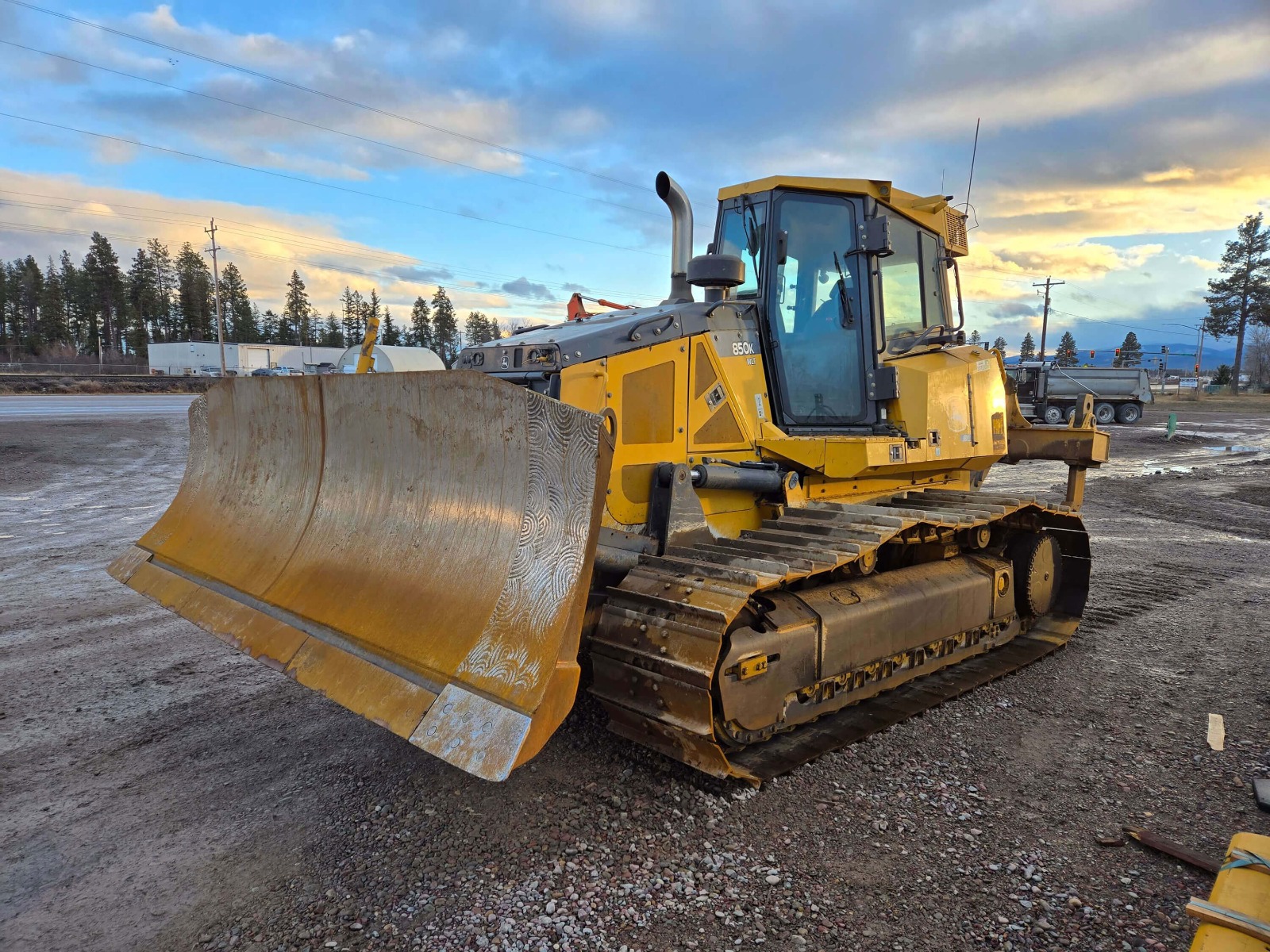
Understanding Modern Construction Logistics
Construction projects rely heavily on timely access to heavy machinery, tools, and transport systems. Delays in machinery availability can slow down entire operations and increase costs significantly. This is where equipment hailing becomes a vital solution for modern construction needs. It allows contractors and project managers to quickly access the right machinery exactly when it is needed, improving workflow efficiency and reducing idle time on site.
The concept of equipment hailing is transforming how construction companies manage resources. Instead of owning every machine, businesses can now request and deploy equipment on demand. This flexible approach supports both small and large-scale projects, ensuring that productivity remains consistent without unnecessary investment in unused machinery.
Smart Access to Machinery Resources
The growing demand for flexibility in construction has led to smarter resource allocation methods. Through equipment hailing, companies can access a wide range of machines without the burden of long-term ownership. This includes excavators, loaders, cranes, and other essential construction tools that can be deployed as needed.
One of the key advantages of equipment hailing is its ability to streamline project planning. Instead of scheduling work around limited equipment availability, teams can focus on execution while ensuring that the right machinery arrives at the right time. This reduces downtime and improves coordination across multiple job sites.
In addition, equipment hailing helps businesses respond quickly to unexpected project changes. Whether there is a sudden increase in workload or an urgent requirement for specialized tools, this system provides immediate solutions that keep projects on track.
Improving Efficiency Across Construction Sites
Efficiency is a core factor in any successful construction project. Delays caused by machinery shortages or breakdowns can lead to significant setbacks. With equipment hailing, companies can avoid these disruptions by ensuring continuous access to operational equipment.
The use of equipment hailing also reduces dependency on permanent fleets. Instead of maintaining and storing large numbers of machines, businesses can scale their equipment usage based on project size and duration. This flexibility allows better financial management and reduces unnecessary overhead costs.
Another important benefit of equipment hailing is the ability to match the right machine with the right task. This ensures optimal performance on-site and reduces wear and tear caused by improper equipment usage. As a result, construction work becomes smoother, faster, and more reliable.
Enhancing Project Flexibility and Control
Construction environments are often unpredictable, with changing timelines and shifting requirements. Equipment hailing provides the flexibility needed to adapt to these conditions without compromising productivity. Project managers can adjust equipment orders in real time, ensuring that operations continue without interruption.
The strategic use of equipment hailing also gives companies greater control over budgeting. Since machinery is accessed on demand, there is no need for large upfront investments or ongoing maintenance costs. This allows businesses to allocate resources more efficiently and invest in other critical areas of development.
By integrating equipment hailing into project planning, construction teams can respond more effectively to client demands and unexpected challenges. This level of adaptability strengthens overall project management and improves delivery timelines.
Reducing Operational Costs and Maintenance Burden
One of the most significant advantages of equipment hailing is its impact on cost reduction. Owning heavy machinery involves expenses such as maintenance, repairs, storage, and depreciation. By utilizing equipment hailing, these costs are significantly minimized.
Instead of managing a large inventory of equipment, companies can rely on external providers to supply well-maintained and ready-to-use machinery. This not only reduces financial pressure but also ensures that all equipment meets safety and performance standards.
The system of equipment hailing also eliminates the need for long-term servicing commitments. Since machines are provided as needed, maintenance responsibilities are handled by the provider, allowing construction teams to focus entirely on project execution.
Supporting Large-Scale and Complex Projects
Large construction projects often require multiple types of machinery operating simultaneously. Coordinating such demands can be challenging without a flexible system in place. equipment hailing simplifies this process by offering immediate access to a wide variety of tools and machines.
Through equipment hailing, project managers can scale operations quickly without worrying about equipment shortages. Whether it is infrastructure development, commercial construction, or industrial expansion, this system ensures that all necessary resources are available when required.
The reliability of equipment hailing also plays a crucial role in maintaining project timelines. With dependable access to machinery, teams can meet deadlines more effectively and avoid costly delays caused by equipment unavailability.
Future of Construction Resource Management
The construction industry continues to evolve with digital transformation and smarter logistics solutions. equipment hailing represents a major step forward in this evolution, offering a more efficient and sustainable way to manage construction resources.
As technology advances, equipment hailing is expected to become even more integrated with real-time tracking, automated scheduling, and predictive maintenance systems. This will further enhance efficiency and reduce operational risks across construction sites.
The growing adoption of equipment hailing reflects a shift toward more flexible and cost-effective project management strategies. Companies that embrace this approach are better positioned to handle complex projects and maintain a competitive edge in the industry.
Conclusion
Reliable construction operations depend on efficient access to machinery and tools. equipment hailing provides a modern solution that enhances flexibility, reduces costs, and improves overall productivity. By eliminating the limitations of equipment ownership, this system allows construction teams to focus on execution rather than logistics.
With its ability to support projects of all sizes, equipment hailing is becoming an essential part of modern construction management. It ensures that the right tools are always available at the right time, enabling smoother workflows and more successful project outcomes.
Frequently Asked Questions
What is equipment hailing in construction?
equipment hailing is a system that allows construction companies to access machinery and tools on demand without owning them permanently.
How does equipment hailing improve project efficiency?
It ensures quick access to necessary machinery, reduces downtime, and helps teams maintain continuous workflow on construction sites.
Is equipment hailing cost-effective for small businesses?
Yes, equipment hailing reduces ownership costs such as maintenance, storage, and repairs, making it highly beneficial for smaller companies.
Can equipment hailing support large construction projects?
Yes, it is ideal for large-scale projects as it provides flexible access to multiple machines required for complex operations.
Does equipment hailing include maintenance services?
Typically, maintenance is handled by the service provider, ensuring that all equipment is delivered in working condition and ready for use.