
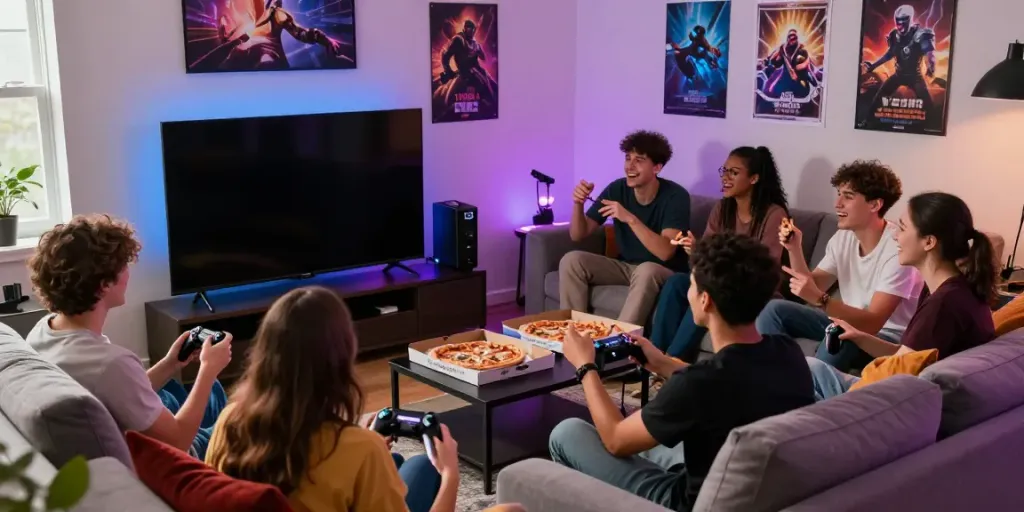
Understanding Multiplayer Game Variants
In the dynamic world of online gaming, choosing the right multiplayer game can make a significant difference in your gaming experience, especially when playing with friends. Genres abound, ranging from action-packed shooters to strategically rich role-playing games. Each variety offers unique gameplay mechanics and social interactions that cater to different preferences. Platforms like mild88 provide insights into these games, ensuring players have the information needed to select a game that aligns with their group's interests.
Types of Multiplayer Games
Multiplayer games can be broadly categorized into several types, each with distinct mechanics and styles of play. These include:
- Cooperative Games: Players work together towards a common goal, such as in games like "Overcooked" or "Left 4 Dead".
- Competitive Games: These games pit players against each other, like "Fortnite" or "League of Legends".
- Massively Multiplayer Online Games (MMOs): These are expansive worlds where hundreds or thousands of players interact, such as "World of Warcraft".
- Battle Royale Games: A sub-genre where a large number of players compete against each other until one remains, exemplified by "PUBG" and "Apex Legends".
Popular Genres and Their Appeal
Each genre attracts different types of players. For instance, shooter games like "Call of Duty" hold appeal for players who thrive on fast-paced action and competition. Conversely, role-playing games like "Valorant" engage players who enjoy narrative depth and character development. Understanding these preferences can guide players to the best choices for their gaming sessions.
Game Mechanics and Player Engagement
The mechanics of a game significantly influence player engagement. Games that allow for skill development, strategic decision-making, and social interaction tend to hold players' attention longer. Engaging mechanics, such as leveling systems or crafting processes, keep players invested and encourage group collaboration.
Considerations for Group Play
When playing with friends, several factors come into play to ensure a great gaming experience. Selecting games that cater to all skill levels within a group can enhance enjoyment and maintain balanced competition.
Selecting Games for All Skill Levels
Choosing games that accommodate varying skill levels is crucial for keeping everyone engaged. Games like "Rocket League" offer simple mechanics that are easy to learn but can be challenging to master, making them ideal for players of all experiences.
The Importance of Team Dynamics
Successful multiplayer sessions depend on the dynamics of the team. Games that require close coordination, such as "Overwatch", can benefit from players' understanding of each other's strengths and weaknesses. Establishing roles within the team promotes efficiency and enhances the overall experience.
Balancing Game Length and Intensity
Finding the right balance between game length and intensity is key when planning gaming sessions. Shorter, fast-paced games work well for casual gatherings, while longer, more involved games might be better suited for dedicated gaming nights.
Technical Requirements for Optimal Performance
Before diving into a new multiplayer game, it's essential to consider the technical requirements associated with optimal gameplay performance. This includes hardware specifications, internet connectivity, and storage capacity.
Device Specifications and Compatibility
Ensuring that all participants have devices that meet or exceed the game's requirements is critical. Games should run smoothly without crashing or experiencing lag, which can occur if hardware is insufficient.
Internet Stability and Speed
A stable internet connection is paramount. Players should ideally have ping rates below 50 ms for the best experience, minimizing lag and enhancing gameplay fluidity.
Storage Needs and Download Sizes
Many modern games require significant storage space. It’s wise to check download sizes and ensure you have sufficient space on your device before committing to a new game.
Enhancing Communication During Gameplay
Effective communication is the backbone of successful teamwork in multiplayer games. Utilizing the right tools enhances coordination and improves the chances of victory.
Utilizing In-Game Chat Features
Most multiplayer games feature built-in chat systems that allow for text communication. Familiarizing players with these systems can streamline coordination and help convey strategies quickly.
Effective Voice Chat Tools
While in-game voice chat is useful, third-party applications like Discord also offer robust solutions for team communication, allowing for organized channels and better sound quality.
Strategies for Real-Time Coordination
Implementing strategies for real-time coordination, such as establishing callouts or using ping systems, can significantly enhance team performance. These methods minimize miscommunication during critical moments.
Future Trends in Multiplayer Gaming
The landscape of multiplayer gaming is evolving rapidly, with new trends on the horizon that will shape how games are played and experienced.
Upcoming Game Releases in 2026
Highly anticipated titles slated for release in 2026 promise to transform the multiplayer experience. Gamers should keep an eye on upcoming releases for innovative gameplay features and enhanced graphics.
Innovations in Game Development
As technology progresses, developers are integrating advanced AI, virtual reality, and augmented reality into multiplayer games, creating immersive experiences that transcend traditional gameplay.
Predicted Changes in Player Engagement
With the rise of social gaming and community involvement, players are likely to seek experiences that not only challenge their skills but also allow for deeper connections and shared storytelling through the games they play.