Understanding Integrated Modular Systems
Integrated Modular Systems (IMS) are innovative solutions designed to enhance the efficiency, sustainability, and flexibility of industrial processes, particularly in fields like water treatment and waste management. They consist of multiple functional modules that work in harmony, allowing for improved operational efficiency and reduced environmental impact. These systems offer a broad spectrum of applications and can be tailored to meet specific regulatory, operational, and environmental requirements. For organizations exploring options, Integrated Modular Systems provide comprehensive insights into modern industrial solutions.
What are Integrated Modular Systems?
At its core, an Integrated Modular System refers to a system architecture that combines various independent modules into a unified framework. This integration facilitates seamless communication and operational efficiency, allowing organizations to optimize resource allocation and minimize waste. Whether in a manufacturing plant or a wastewater treatment facility, these systems can significantly enhance performance and reliability.
Key Components of Integrated Modular Systems
Integrated Modular Systems typically comprise several key components:
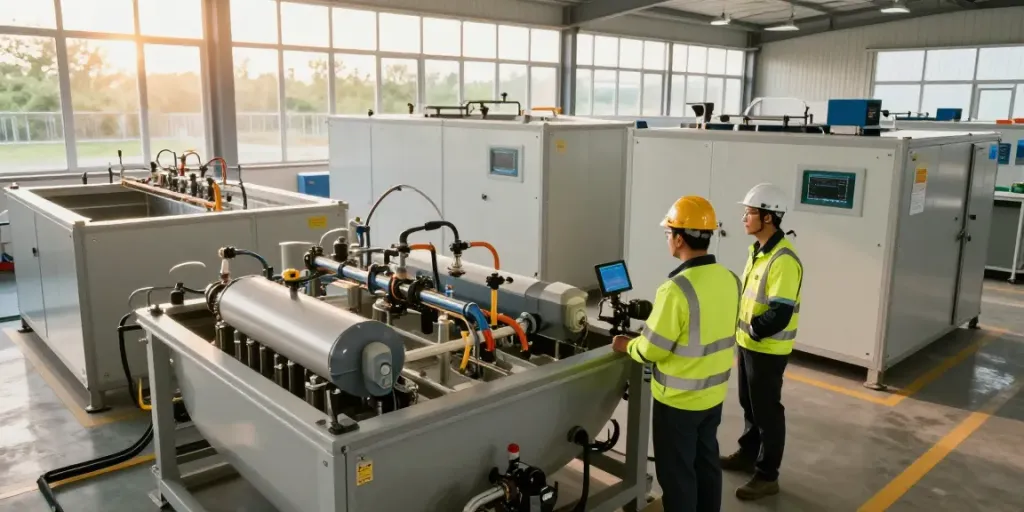
- Modular Units: Independent modules that can be mixed and matched to create a customized solution. Each module serves a specific function, such as filtration or chemical dosing.
- Control Systems: Advanced software that monitors and manages the performance of the entire system, ensuring optimal operation.
- Interconnectivity: Robust connectivity solutions that allow the modules to communicate, sharing data and operational parameters in real time.
- Scalability: The capacity to expand the system by adding more modules as demand increases or operational requirements change.
Industry Applications of Integrated Modular Systems
The versatility of Integrated Modular Systems enables their application across various industries, including:
- Water Treatment: Effective solutions for drinking water purification and wastewater management.
- Pharmaceuticals: Ensuring sterile conditions and compliance with stringent regulatory standards.
- Food and Beverage: Maintaining hygiene and quality through integrated processing systems.
- Manufacturing: Streamlining production lines to enhance efficiency and reduce downtime.
Benefits of Integrated Modular Systems
Cost Efficiency and Scalability
One of the primary advantages of Integrated Modular Systems is their cost efficiency. By utilizing modular components, companies can reduce upfront investment and operational costs. The scalable nature of these systems allows organizations to start with a smaller setup and expand as necessary, minimizing financial risk.
Improved Environmental Impact
Integrated Modular Systems contribute positively to environmental sustainability. These systems are designed to optimize resource use and minimize waste, aligning with global efforts to reduce carbon footprints and comply with environmental regulations. The ability to monitor and control emissions and effluents through integrated systems ensures compliance with environmental standards.
Enhanced Operational Flexibility
With the rapid pace of technological advancement, flexibility has become a crucial factor for modern businesses. Integrated Modular Systems provide organizations with the capability to pivot operations and adapt to new challenges without significant overhauls. This flexibility is particularly advantageous in dynamic markets where customer demands can change swiftly.
Challenges in Implementing Integrated Modular Systems
Common Misconceptions about Modular Systems
Despite their advantages, Integrated Modular Systems often face misconceptions. Some believe that modular designs compromise quality for lower costs. However, many manufacturers, like QILEE, ensure that each module meets rigorous quality standards, providing robust and reliable performance.
Technical Barriers and Solutions
Integrating new modular systems into existing infrastructures may present challenges, such as compatibility issues and the need for staff retraining. However, these barriers can be addressed through comprehensive planning, gradual implementation, and ongoing support from system suppliers.
Case Studies of Implementation Failures
Learning from others' mistakes is essential. Some organizations have experienced failures due to inadequate planning and lack of stakeholder engagement. Successful implementation relies on thorough research, stakeholder involvement, and clear communication of objectives to ensure all parties are aligned.
Best Practices for Utilizing Integrated Modular Systems
Designing for Efficiency and Performance
When designing Integrated Modular Systems, efficiency should be at the forefront. Employing the latest technologies and techniques can optimize performance, such as using energy-efficient pumps and automated control systems that adapt to varying operational loads.
Integrating Existing Technologies
To maximize the benefits, it's essential to integrate new modular solutions with existing technologies. This process often involves retrofitting old systems with new modular components, enhancing overall efficiency while preserving legacy investments.
Monitoring and Maintenance Strategies
Continuous monitoring is vital for the success of Integrated Modular Systems. Implementing a robust maintenance strategy that includes regular inspections and predictive maintenance can significantly prolong system life and prevent unexpected outages.
The Future of Integrated Modular Systems in 2026
Emerging Trends in Water Treatment Technologies
As we look towards 2026, several emerging trends in water treatment technologies are expected to influence the evolution of Integrated Modular Systems. Innovations such as advanced membrane technologies and eco-friendly disinfection methods are likely to enhance performance while reducing costs and environmental impact.
Predictions for Market Growth and Demand
The demand for Integrated Modular Systems is projected to grow significantly due to increasing regulatory pressures for water conservation and treatment. As industries increasingly prioritize sustainability, the integration of modular systems into their operations will become essential for compliance and competitiveness.
Regulatory Influences on Modular Systems Development
Government regulations play a critical role in shaping the development of Integrated Modular Systems. Stricter environmental standards and initiatives focused on enhancing resource efficiency will drive innovation and investment in modular technologies.
What is an example of a modular system?
An example of a modular system is a wastewater treatment plant that employs various treatment modules, such as screening, biological treatment, and disinfection, each functioning independently yet connected to ensure a seamless process.
How much does a modular system cost?
The cost of a modular system can vary widely based on its specifications, complexity, and application. Generally, these systems are designed to accommodate different budget levels by scaling their components according to operational needs.
What is modular integrated construction?
Modular integrated construction refers to a methodology in which building components are prefabricated off-site and then assembled on-site. This approach enhances efficiency, reduces construction time, and minimizes waste.
What is the difference between modular and integrated design?
The primary difference lies in the focus; modular design emphasizes individual components' interchangeability, while integrated design focuses on creating a cohesive system where components function together effectively.
How can Integrated Modular Systems reduce environmental impact?
By optimizing resource use through modular efficiency, reducing waste, and ensuring compliance with environmental regulations, Integrated Modular Systems can substantially lessen an organization's environmental footprint.