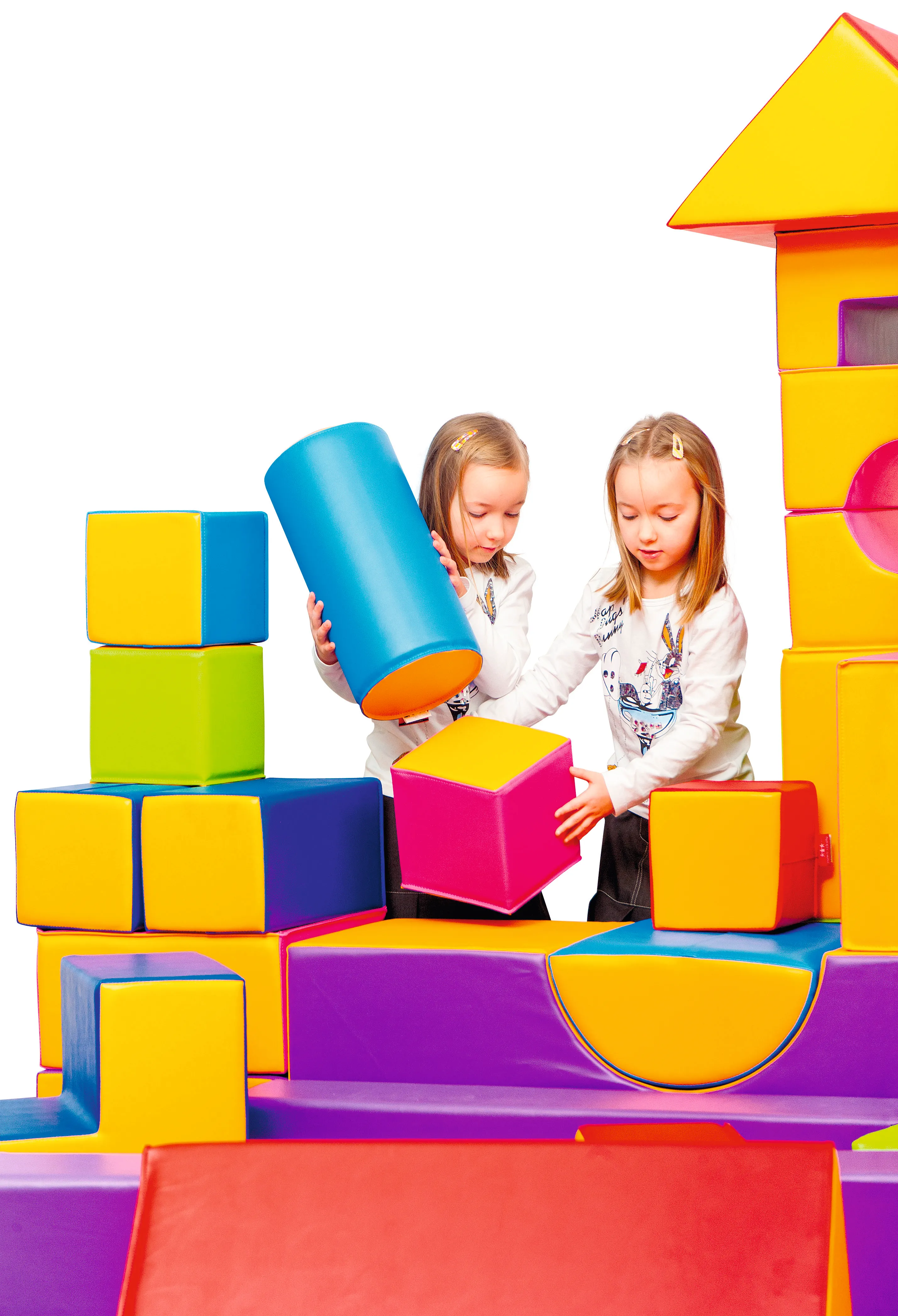
Introduction to Giant Building Blocks
In today's fast-paced world, children's playtime should not just be a break from learning—it should also be a time for creativity and imagination. Giant building blocks have emerged as a popular tool that enables kids to explore their creative potential while developing essential skills. These oversized, soft foam blocks provide a unique play experience, combining safety with endless possibilities. For those who seek further insight into selecting the right blocks, you can get the details about various options, styles, and materials.
What Are Giant Building Blocks?
Giant building blocks are large, lightweight building components typically made of soft foam, designed for young children. Unlike traditional wooden or plastic blocks, these foam variants are safe to handle and easy on small hands. They come in various colors and shapes, appealing to children's artistic sensibilities while providing a tactile experience. More than just fun objects, these blocks help promote both structured and imaginative play, giving kids the tools they need to build anything from simple towers to complex structures.
Benefits of Soft Foam Building Blocks
Soft foam building blocks offer numerous advantages, which make them an invaluable addition to any playroom:
- Safety: Being made from soft materials reduces the risk of injury, especially for toddlers who might fall while playing.
- Encouragement of Creativity: The flexible nature of these blocks allows for innovative and imaginative designs that foster creative thinking.
- Development of Motor Skills: As children manipulate and stack the blocks, they enhance their fine motor skills, hand-eye coordination, and spatial reasoning.
- Social Interaction: Giant blocks promote cooperative play, as children often engage in collaborative building projects, enhancing their social skills through teamwork.
- Versatile Learning Tool: They can be used to teach various concepts, from basic geometry to storytelling, making them a fantastic educational resource.
Choosing the Right Size and Shape
When selecting giant building blocks for children, size and shape are crucial factors to consider. Blocks come in an assortment of sizes, catering to different age groups and developmental stages. For infants and toddlers, smaller blocks that are easy to grasp are ideal, while older children may enjoy larger, more complex shapes that offer various ways to connect them. Additionally, varying shapes can inspire different types of constructions, encouraging creative exploration. Choosing the right configuration ensures that the blocks can grow with the child, providing long-lasting value and engagement.
Creating Play Spaces with Building Blocks
Designing a Safe Play Area
Creating an inviting and safe play area can significantly enhance the experience of playing with giant building blocks. To design an optimal space, consider the following tips:
- Choose a Soft Surface: Soft mats or carpets can provide cushioning, reducing the impact if a child falls while playing.
- Define a Play Zone: Clearly marking a play area helps children understand boundaries and keeps the space organized.
- Limit Distractions: A clutter-free environment allows children to concentrate on their creative projects without unnecessary distractions.
- Ensure Adequate Supervision: Always keep an eye on young children as they play, particularly if the play area is shared with older siblings or pets.
Incorporating Other Toys
Giant building blocks can seamlessly integrate with other toys to create a multifunctional play environment. Consider combining them with:
- Action Figures and Dolls: These can turn a simple block structure into a vibrant setting for playtime stories.
- Vehicles: Adding toy cars and trucks can transform block cities into bustling towns, encouraging imaginative narratives.
- Art Supplies: Encourage creativity by allowing children to decorate their blocks with washable markers or stickers, enhancing the aesthetic and providing ownership of their creations.
Using Blocks for Themed Play
Themed play can significantly enrich the building experience. Consider the following themes for block play:
- Fantasy Worlds: Encourage children to create castles or magical landscapes that spark their imagination.
- Underwater Adventures: Create structures that represent ocean life, allowing for storytelling and exploration of marine themes.
- Space Exploration: Kids can build rockets or space stations, exploring science and fostering curiosity about the universe.
Using themes not only enhances the building experience but also provides a framework for educational discussions related to the theme, enriching playtime beyond simple construction.
Engaging Activities for Kids
Structured Games to Foster Teamwork
Structured games using giant building blocks can be an effective way to teach teamwork. Here are a few game ideas:
- Block Relay Races: Teams can compete to transport blocks from one area to another, encouraging collaboration and strategic thinking.
- Group Challenges: Challenge groups to build the tallest tower within a time limit, teaching communication and shared goals.
- Obstacle Courses: Incorporate blocks into an obstacle course, promoting physical activity, teamwork, and creativity.
Creative Building Challenges
Creative building challenges stimulate critical thinking and innovative problem-solving. Here are some fun activities:
- Unique Structures: Task children with building a bridge or a house using a specified number of blocks, enhancing their engineering skills.
- Surprise Structures: Blindfold children and have them feel blocks, challenging them to recreate a shape or structure by memory.
- Collaborative Art Projects: Work together to design a community space, fostering artistic expression while honing negotiation skills.
Storytelling Through Building
Incorporating storytelling into block play can lead to unique narratives created through construction. Children can build scenes from their favorite stories or invent new ones, allowing for:
- Role Play: Children can act out characters from the stories, enhancing their literacy and communication skills.
- Sequential Storytelling: Create a sequence of events with different structures representing various story elements.
- Dramatic Play: Use the blocks to facilitate impromptu performances, strengthening their imaginative and expressive capacities.
Maintenance and Care of Foam Blocks
Cleaning Soft Foam Blocks
Maintaining cleanliness is essential for safe play. To clean soft foam blocks:
- Use a mild soap solution and a soft cloth to wipe down the surfaces.
- Avoid submerging the blocks in water as this might damage the foam.
- Rinse with a damp cloth and dry them with a towel before air drying in a well-ventilated area.
Storage Solutions for Indoor Play
Effective storage solutions help keep play areas tidy and ensure durability for your blocks:
- Storage Bins and Baskets: Utilize large bins to store blocks in an organized manner, making cleanup after playtime easy.
- Wall Shelving: If space allows, wall-mounted shelves can display blocks creatively while keeping them available for use.
- Labeling System: Create a labeling system for different types of blocks, encouraging children to participate in organizing.
When to Replace Your Building Blocks
Monitoring the condition of foam blocks ensures a safe play environment. Regularly check for:
- Signs of wear and tear, like cracks or deep indentations.
- Discoloration or odor, which may indicate the presence of mold.
- Compromised safety features, such as peeling foam. If any issues arise, consider replacing affected blocks to ensure safe play.
Frequently Asked Questions
Are giant foam blocks safe for toddlers?
Yes, designed specifically for safety, they are soft, lightweight, and minimize injury risks.
How do you clean giant building blocks?
Wash with mild soap and water, then air dry to maintain hygiene without damaging foam.
What age group are these blocks suitable for?
Ideal for children aged 1 to 8 years, promoting imagination and fine motor skills development.
Can these blocks be used outdoors?
While they are durable, prolonged exposure to outdoor elements may reduce their lifespan.
How do they encourage cognitive development?
They stimulate creativity, spatial awareness, and problem-solving skills through interactive play.