Understanding Pet Product Contract Packaging
What is Pet Product Contract Packaging?
Pet product contract packaging refers to the outsourcing of packaging solutions specifically designed for pet-related products. This involves third-party companies specializing in providing packaging services tailored to the unique requirements of pet brands. Utilizing pet product contract packaging not only streamlines the production process but also allows brands to focus on core business areas, such as product development and marketing.
Benefits of Contract Packaging for Pet Products
Choosing contract packaging offers multiple advantages for businesses in the pet product industry. One of the primary benefits is cost efficiency. Outsourcing packaging can significantly reduce overhead costs related to equipment purchases, maintenance, and labor. Additionally, contract packagers often possess specialized expertise and advanced technologies, leading to improved quality and innovative packaging solutions. This collaboration can enable faster time-to-market, providing competitive advantages in a crowded marketplace.
Choosing the Right Packaging Partner
Selecting the right partner for pet product contract packaging is crucial. Companies should consider several factors such as industry experience, reputation, quality control measures, and the ability to scale operations as demand fluctuates. A thorough assessment of the provider's capabilities, including material options, design services, and adherence to regulatory standards, can facilitate better decision-making.
Types of Pet Product Contract Packaging
Flexible Packaging Options
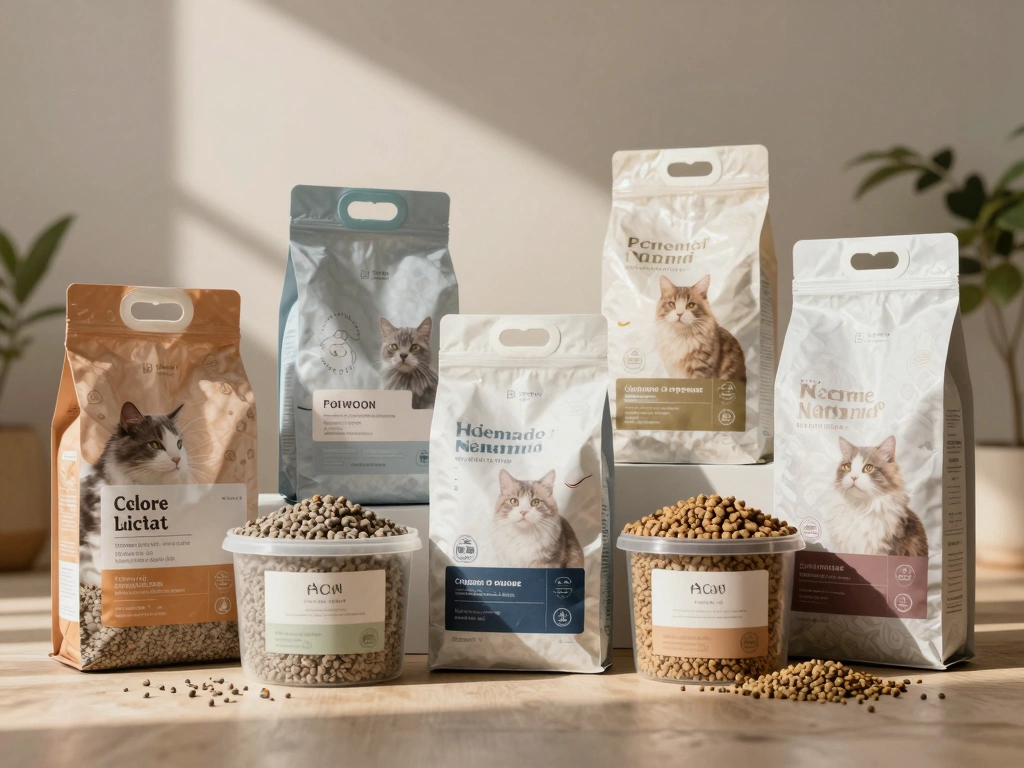
Flexible packaging is an increasingly popular choice for pet product manufacturers due to its versatility and convenience. Options include stand-up pouches, resealable bags, and rollstock films. These solutions are not only lightweight, often reducing shipping costs, but they also provide excellent barrier properties, preserving product freshness. The ease of branding through high-quality printing makes flexible packaging an attractive option for differentiating products on store shelves.
Rigid Container Solutions
On the other hand, rigid packaging solutions such as jars, bottles, and boxes serve a distinct purpose in the market. These containers are often associated with premium products, conveying quality and care. Rigid containers can enhance the perceived value of the product, making them a favorite for premium pet food and treat lines. Furthermore, their durability protects products from external factors and can extend shelf life.
Eco-Friendly Packaging Trends
Sustainability trends are reshaping the packaging landscape, particularly in the pet industry. Consumers increasingly prefer eco-friendly packaging options that minimize environmental impact. This shift is prompting manufacturers to explore biodegradable, compostable, and recyclable materials. Implementing sustainable practices not only appeals to eco-conscious consumers but can also enhance brand image and demonstrate corporate social responsibility.
Best Practices for Designing Pet Product Packaging
Branding Considerations for Pet Products
Effective branding is essential in distinguishing pet products in a competitive landscape. Packaging design should reflect the brand's identity and values while appealing to the target audience. Utilizing vibrant colors, engaging graphics, and clear messaging can attract attention and communicate the product's benefits. Additionally, storytelling through design elements can create emotional connections with consumers.
Regulatory Compliance in Pet Packaging
Compliance with regulatory guidelines is critical for pet product packaging. Manufacturers must ensure that labeling includes necessary information such as ingredient lists, feeding guidelines, and nutritional information. Familiarity with and adherence to the regulations established by agencies ensures consumer safety and helps avoid potential legal ramifications. Thus, engaging a contract packaging partner familiar with these regulations strengthens compliance measures.
Innovative Design Ideas to Stand Out
Incorporating innovative design elements can set products apart on the shelves. Unique packaging shapes, interactive features, or multi-functional designs can enhance usability and draw consumer interest. For instance, creating packages that double as storage containers adds value beyond the initial purchase. Utilizing augmented reality features can also engage consumers and provide additional information about the product in an immersive way.
Challenges in Pet Product Contract Packaging
Supply Chain Management in Packaging
Effective supply chain management is a common challenge in contract packaging. Ensuring timely delivery of packaging materials, maintaining adequate inventory levels, and coordinating with multiple suppliers demand efficient logistical strategies. Implementing integrated software systems can offer visibility across the supply chain, facilitating better communication and collaboration among all parties involved.
Quality Control Measures
Maintaining consistent quality across all packaging processes is vital for brand reputation. Employing rigorous quality control measures, such as routine inspections and testing of materials, can identify potential issues before they affect the final product. Training personnel in best practices for handling and packaging further ensures adherence to quality standards throughout the process.
Cost Management Strategies
Effective cost management is essential in contract packaging to maximize profitability. Companies should conduct a comprehensive cost analysis to identify areas where savings can be realized without sacrificing quality. Negotiating favorable terms with suppliers, optimizing materials usage, and adopting automated processes can all contribute to maintaining a healthy bottom line.
Future Trends in Pet Product Contract Packaging
Growing Demand for Sustainable Solutions
The demand for sustainable solutions in packaging will continue to grow as consumers become more environmentally aware. Companies are likely to invest in research and development to create innovative materials that are both functional and sustainable. The increased collaboration between brands and eco-friendly packaging providers will foster the development of novel solutions that resonate with the consumer base.
Technology Advancements in Packaging
Technological advancements are set to shape the future of pet product packaging significantly. Automation in packaging lines will improve efficiency and reduce costs while enhancing quality control measures. Furthermore, the integration of smart packaging, which includes IoT-enabled devices, provides real-time tracking and product freshness monitoring, offering added value to both manufacturers and consumers.
Consumer Preferences Shaping the Market
As consumer preferences evolve, they are heavily influencing the pet product packaging market. Transparency in sourcing, packaging, and product quality will become more crucial as consumers demand higher accountability from brands. Engaging customers through feedback loops can aid in understanding preferences and adapting packaging strategies to address consumer needs effectively.
Frequently Asked Questions
What is pet product contract packaging?
Pet product contract packaging refers to outsourcing packaging solutions for pet-related items, ensuring efficient production and customization for brands.
What are the benefits of contract packaging?
Benefits include cost efficiency, specialized expertise, improved focus on core business activities, and access to advanced packaging technologies.
How do I choose a contract packaging provider?
Consider experience, quality assurance protocols, sustainability practices, and their ability to meet specific packaging needs and timelines.
What types of packaging are available for pet products?
Options range from flexible packaging pouches to rigid containers, customized to suit different pet food types and brand requirements.
What trends are influencing pet product packaging?
Trends include sustainability, innovative designs, and the increasing use of technology for enhanced functionality and consumer appeal.