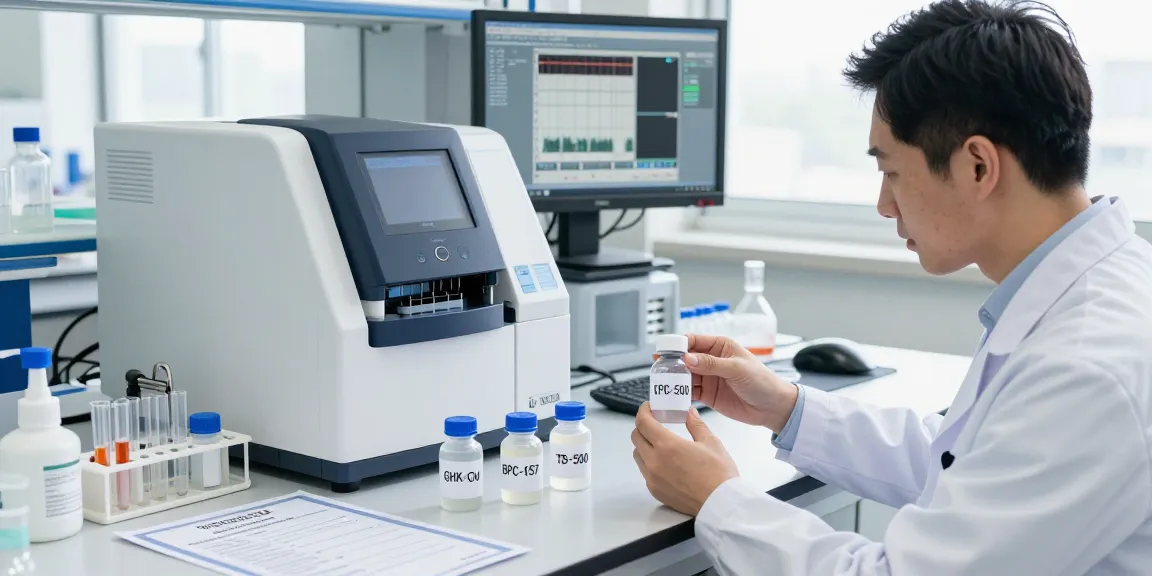
Understanding the Role of Research Peptides in 2026
In recent years, the field of peptide research has gained significant momentum, driven by advancements in biotechnology and an increased focus on targeted therapies. As we enter 2026, the role of research peptides in laboratory applications has become more crucial than ever. These peptides serve as vital tools in scientific investigations, providing insights into cellular processes, disease mechanisms, and potential therapeutic interventions.
What are Research Peptides?
Research peptides are short chains of amino acids that play essential roles in a variety of biological functions. They can act as hormones, neurotransmitters, or signaling molecules and are synthesized for various purposes in laboratory settings. The peptides used in research are typically distinct from those used in pharmaceuticals, as they are often employed to explore biological pathways and mechanisms in preclinical studies. Their unique properties allow researchers to manipulate biological systems and study complex interactions at a molecular level.
The Importance of Quality in Peptide Research
Quality assurance is paramount in peptide research. The efficacy of any experimental outcome hinges on the integrity of the peptide used. Impurities or inconsistencies in peptide synthesis can lead to misleading results. Hence, reputable suppliers offer comprehensive documentation, including Certificates of Analysis (CoA), to verify the identity, purity, and concentration of their products. The significance of maintaining high standards in peptide quality cannot be overstated, particularly when conducting experiments that may inform future therapeutic applications.
Trends in Laboratory Research Peptides for 2026
As the landscape of peptide research continues to evolve, several trends are emerging. The integration of multi-peptide blends, such as the Klow Peptide Stack introduced by Koi Peptides, is gaining traction. This blend encapsulates multiple peptides in a single formulation, designed for ease of use and enhanced productivity in research environments. Additionally, there is a growing emphasis on documentation and traceability, ensuring that researchers can confidently source high-quality materials for their experiments.
Key Components of Klow Peptide Stack
One of the notable advancements in peptide research is the Klow Peptide Stack, consisting of GHK-Cu, BPC-157, TB-500, and KPV. This combination offers a diverse range of properties and potential applications in laboratory settings.
GHK-Cu: Properties and Applications
GHK-Cu, or Glycyl-L-Histidyl-L-Lysine Copper, is a naturally occurring copper-binding peptide that has garnered attention for its regenerative properties. Research suggests that GHK-Cu plays a critical role in wound healing, tissue repair, and anti-inflammatory mechanisms. It has been shown to enhance collagen synthesis and promote the migration of fibroblasts to the site of injury, making it a valuable component in the Klow Peptide Stack.
BPC-157: Synthetic Characteristics and Research Uses
BPC-157, a synthetic pentadecapeptide composed of fifteen amino acids, is noted for its potential in promoting tendon and ligament healing. Studies have indicated that BPC-157 may accelerate recovery from injuries and reduce inflammation by modulating growth factors and angiogenesis. Its inclusion in the Klow Peptide Stack provides researchers with a potent tool for studying healing processes and tissue regeneration.
TB-500: Insights into Its Mechanism and Research Background
TB-500, derived from a fragment of thymosin beta-4, has been recognized for its role in cell migration and tissue repair. It is involved in actin regulation, which is crucial for cellular movement and recovery. Like BPC-157, TB-500 has been investigated for its applications in enhancing healing and reducing inflammation, making it a synergistic partner in the Klow Peptide Stack formulation.
KPV: The Unique Tripeptide Component
KPV is a tripeptide composed of lysine, proline, and valine. Its addition to the Klow Peptide Stack differentiates it from other peptide blends, such as the Glow Peptide Stack, which typically includes only GHK-Cu, BPC-157, and TB-500. KPV has been studied for its anti-inflammatory properties and potential role in modulating immune responses, which adds an interesting dynamic to the Klow formulation.
Quality Assurance in Peptide Sourcing
As the demand for research peptides increases, ensuring quality and reliability in sourcing becomes critical. Research institutions and laboratories must have robust mechanisms to assess the quality of the peptides they procure.
What to Look for in a Certificate of Analysis
The Certificate of Analysis (CoA) is a vital document that outlines the quality of a peptide batch. When evaluating a CoA, researchers should verify several key aspects:
- Peptide Identity: Confirmation that the peptide matches the expected sequence and structure.
- Purity Levels: Detailed purity profiles indicating the percentage of the main peptide against impurities.
- Analytical Methods Used: Information on the techniques employed to validate the peptide's identity and purity.
- Lot Number: A unique identifier that links the CoA to a specific batch for traceability.
HPLC Purity and Identity Verification Techniques
High-Performance Liquid Chromatography (HPLC) is one of the most common methods used to analyze peptide purity. This technique separates peptide mixtures, allowing researchers to quantify individual components and assess their purity. Paired with mass spectrometry, HPLC offers a powerful combination for verifying the identity and confirming the presence of desired peptides within a blend.
Importance of Endotoxin Testing in Research Contexts
Endotoxin testing is crucial for ensuring that peptides are free from bacterial contamination, which can compromise experimental outcomes. The Limulus Amebocyte Lysate (LAL) test is widely used to detect endotoxins, providing an essential layer of safety and reliability in peptide research. Each lot of research peptides, including the Klow Peptide Stack, should be screened to meet established endotoxin limits.
Implementing Multi-Peptide Blends in Research
Multi-peptide blends, like the Klow Peptide Stack, offer distinct advantages in research applications, streamlining experimental processes and enhancing data collection.
Benefits of Using Klow Peptide Stack in Experiments
Utilizing the Klow Peptide Stack simplifies the procurement and handling of multiple peptides for research applications. Researchers benefit from:
- Consolidation: A single vial containing multiple peptides reduces clutter and simplifies storage.
- Synergistic Effects: The combination of peptides may enhance biological effects when compared to individual components.
- Consistent Quality: Each blend is backed by rigorous testing and documentation, ensuring reliable results.
Comparative Analysis: Klow vs. Other Peptide Stacks
When comparing Klow to other peptide blends like Glow, it is essential to consider both composition and intended applications. Glow typically contains only GHK-Cu, BPC-157, and TB-500, while Klow’s addition of KPV enhances its potential for immune modulation and inflammation reduction. This difference can impact research outcomes and applications, making Klow a potentially more versatile option for certain biomedical studies.
Practical Guidelines for Laboratory Use
To maximize the utility of the Klow Peptide Stack, researchers should adhere to best practices in laboratory settings. Recommendations include:
- Proper Storage: Store lyophilized peptides at appropriate temperatures to maintain stability.
- Thorough Documentation: Maintain detailed records of peptide usage, including lot numbers and CoA references, to ensure traceability.
- Collaborative Research: Share findings and insights with peers to enhance collective understanding of multi-peptide applications.
Future Directions for Peptide Research
The future of peptide research is promising, with numerous opportunities for exploration and innovation. Emerging trends and applications are set to shape the landscape for researchers in 2026 and beyond.
Emerging Research Trends for 2026 and Beyond
As technology advances, peptide research is likely to see a surge in personalized medicine approaches, where tailored peptides are developed to meet specific patient needs. Additionally, the integration of artificial intelligence in peptide design and synthesis may accelerate the discovery of novel peptides with unique therapeutic properties.
Potential Applications of Research Peptides in Various Fields
Research peptides hold significant potential across various disciplines, including pharmacology, immunology, and regenerative medicine. Their ability to modulate biological processes opens avenues for treating chronic diseases, enhancing recovery from injuries, and advancing vaccine development.
Expert Predictions on Market Growth of Peptide Research
Industry experts forecast strong growth in the peptide market, driven by increasing investments in biotechnology and pharmaceutical research. The demand for high-quality research peptides is expected to rise, particularly in therapeutic development and innovative solutions to health challenges.
What Are the Latest Regulatory Standards for Research Peptides?
Regulatory frameworks surrounding research peptides have become more stringent, focusing on safety, efficacy, and ethical sourcing. Researchers must stay updated on the latest guidelines from agencies such as the FDA and EMA to ensure compliance and support the responsible use of these materials in research.
How to Succeed in Peptide Research: FAQs Answered
Researchers often have questions about effectively conducting peptide research. Key considerations include understanding peptide properties, sourcing quality materials, and adhering to rigorous experimental protocols. Engaging with the scientific community and attending relevant workshops can also enhance knowledge and foster collaboration.