Understanding Gold Price Trends in Bahrain
The gold market in Bahrain is a dynamic landscape, characterized by fluctuations driven by both global influences and local economic conditions. Understanding the intricacies of gold pricing is essential for anyone involved in buying or selling gold. For those keen on tracking current trends, mantra88 offers a comprehensive overview of gold prices in Bahrain, enabling informed decision-making in a market where prices can shift daily.
What Influences Gold Prices Globally?
Gold prices are significantly impacted by global factors such as economic stability, inflation rates, and geopolitical tensions. When investors perceive uncertainty in the market, they often turn to gold as a safe haven to preserve wealth. Additionally, fluctuations in the price of oil, changes in central bank policies, and the demand for jewelry and industrial applications worldwide can all affect gold prices. Understanding these factors can help buyers and sellers anticipate market movements.
Local Factors Affecting Bahraini Gold Prices
In Bahrain, gold prices are also influenced by local economic conditions and regulatory policies. Factors such as import taxes, local supply and demand, and the popularity of gold as an investment option can cause significant variations in prices. Additionally, cultural events, such as weddings, often lead to spikes in demand for gold jewelry, which can further affect pricing structures. Staying updated on these local trends is crucial for making informed decisions.
The Role of Currency Exchange Rates
The Bahraini Dinar (BHD) plays a critical role in influencing gold prices in the region. Since gold is typically priced in US dollars, fluctuations in the exchange rate between the BHD and USD can lead to changes in the local cost of gold. A stronger dinar can make gold more affordable, while a weaker dinar can increase its price. Monitoring currency movements is vital for buyers looking to purchase gold at optimal prices.
Buying and Selling Gold: Best Practices
When engaging in the buying and selling of gold, it is crucial to follow best practices to ensure a satisfactory transaction. This includes understanding the current market value of gold, which varies based on purity and weight. Utilizing resources like gold pricing tables and calculators can assist buyers in making informed decisions, ensuring they receive fair value for their transactions.
How to Assess Gold Quality and Value
To assess the quality of gold, understanding its karat value is essential. Gold purity is measured in karats (K), with 24K being pure gold. Other common karats include 22K, 21K, and 18K, with lower karats containing a higher percentage of other metals. Buyers should always ask for documentation verifying the gold's purity and ensure that it is weighed accurately to determine its true value.
Understanding Buyback Options for Gold Jewelry
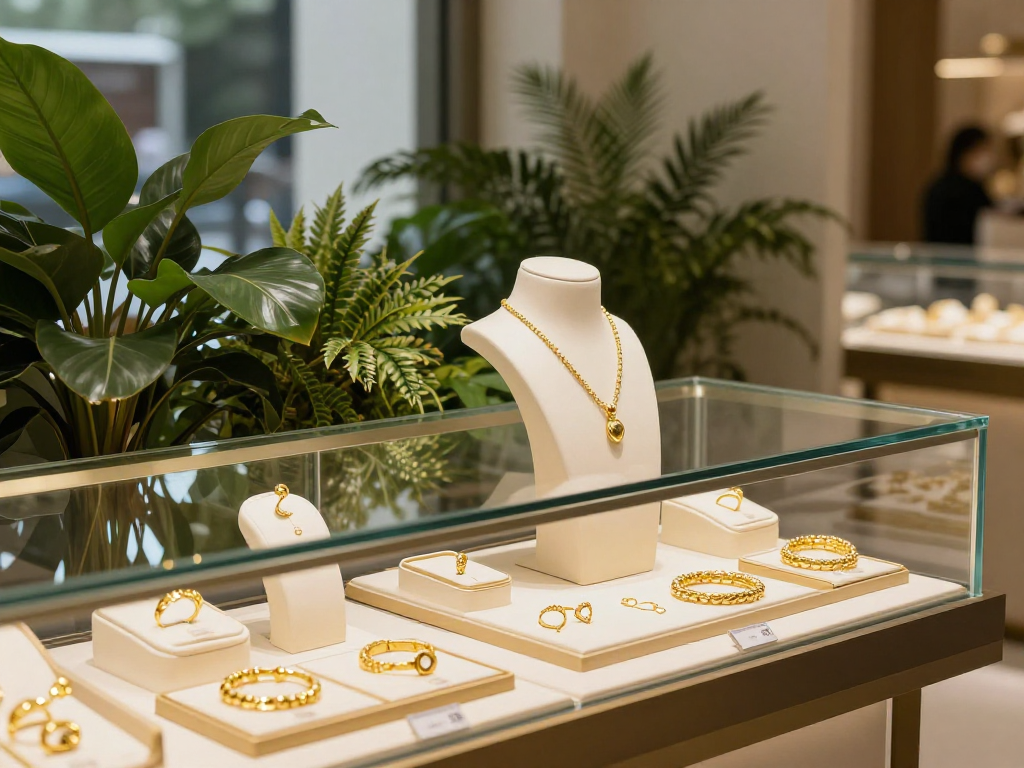
Many jewelers in Bahrain offer buyback options, allowing sellers to return gold jewelry at a predetermined price based on current market rates. This process is beneficial for those looking to liquidate their investment. It is advisable to compare buyback policies among different dealers and to consider the conditions under which the buyback can take place.
Transaction Security: Ensuring a Safe Experience
Safety is paramount when it comes to gold transactions. Buyers and sellers should ensure that they conduct transactions in reputable locations, preferably those with established credibility in the market. Digital transactions should be securely processed, and physical exchanges should happen in safe environments. Keeping records of all transactions, including purchase receipts and appraisals, can provide additional security and peace of mind.
Investment in Gold: A Smart Strategy for 2026
As global economies continue to fluctuate, investing in gold remains a prudent strategy for those looking to diversify their portfolios. The intrinsic value of gold as a tangible asset makes it a good hedge against inflation and economic downturns, adding stability to one's investment strategy.
Long-Term Vs. Short-Term Gold Investments
Investors may choose to adopt either a long-term or short-term approach when it comes to gold. Long-term investors typically buy gold bars or coins, storing them as a form of wealth preservation. Short-term investors, on the other hand, may trade gold based on price movements and market trends, seeking to capitalize on fluctuations. Each strategy has its own risks and rewards that investors must weigh carefully.
Historical Performance of Gold as an Asset
Historically, gold has demonstrated resilience against economic turmoil, often increasing in value during times of crisis. Analyzing historical trends can provide insights into potential future performance, helping investors make more informed decisions. Despite short-term volatility, the long-term trend for gold prices tends to rise, making it a reliable asset for many.
Market Predictions for Gold Prices in 2026
Market analysts predict that gold prices will continue to be driven by a combination of economic factors, including inflation, central bank policies, and global uncertainty. As we approach 2026, investors should remain vigilant and adaptable, ready to pivot based on market changes. Keeping abreast of economic news is crucial for those looking to invest in gold during this time.
Common Misconceptions About Buying Gold
There are several misconceptions surrounding the purchase of gold that can lead to costly mistakes. Educating oneself on these myths can help buyers navigate the market with confidence.
Debunking Myths about Gold Purity and Value
Many believe that all gold jewelry is equal in value simply because it is gold. However, the karat of gold significantly affects its worth. Additionally, the craftsmanship and condition of the piece can impact its resale value. Understanding these nuances is vital for making educated purchases.
How Gold Prices Are Calculated: Beyond the Surface
The calculation of gold prices is influenced by various factors including the London Gold Fix, supply and demand dynamics, and market speculation. The spot price of gold is often fluctuated based on the activities of large investors and entities within the gold market, rather than solely on physical sales.
Understanding the Importance of Documentation
In the realm of gold trading, proper documentation is key. Having certificates of authenticity, purchase receipts, and appraisal documents can ensure rightful ownership and aid in future transactions. Buyers should always request and retain these documents as part of their investment strategy.
Future Trends in the Gold Market
The gold market is continuously evolving, influenced by technological advancements and changing consumer preferences. Awareness of emerging trends can position investors advantageously in this competitive landscape.
Emerging Technologies in Gold Trading
Innovations in technology are transforming how gold is traded and tracked. Blockchain technology, for example, is increasing transparency in gold transactions, making it easier to verify authenticity and ownership. Additionally, online platforms are making gold trading more accessible to retail investors.
The Impact of Global Economic Changes
Global economic conditions are pivotal in shaping the gold market. Factors such as international trade relations, economic sanctions, and shifts in monetary policy all play a significant role. As we move forward, staying informed about these dynamics can help investors respond proactively to changes in the gold market.
Trends in Consumer Preferences for Gold Jewelry
Consumer preferences are shifting towards more personalized and sustainable jewelry options. Custom designs and ethically sourced materials are becoming increasingly popular. This trend not only reflects a growing awareness of ethical consumption but also impacts gold prices as demand for unique pieces rises.
What to Expect in the Gold Industry Post-2026?
Looking ahead, the gold industry is likely to continue adapting to global economic shifts and consumer preferences. Automation, responsible sourcing, and innovative design will shape the future of gold jewelry and trading. Investors should remain attentive to these changes and adjust their strategies accordingly to capitalize on new opportunities.